🎃 The Clock Is Ticking 🎃
Halloween is almost here. Grab your look before it’s too late!
Shipping times add up fast. Order early so it arrives in time!
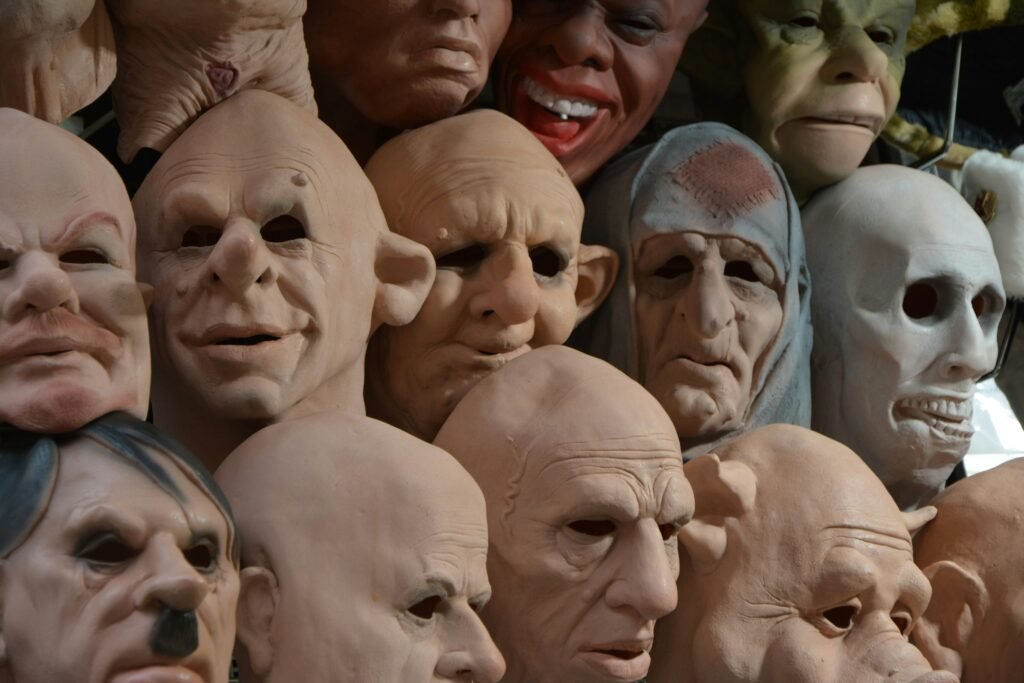
Long before Halloween turned masks into costume shop staples, they carried a much deeper meaning. The word mask actually traces back through medieval Latin and Arabic words meaning ghost or specter. Ancient cultures across Africa, Asia, and the Americas didn't wear masks just to look different, they wore them to become something else entirely. In many ceremonies, putting on a mask meant a person was stepping aside so a spirit, ancestor, or god could take their place for the ritual.
The secret to a convincing mask look is committing to the whole face, not just the mask itself. Blend your neck and any visible skin with makeup to match the mask's tone, so there's no obvious line where the mask ends and your real skin begins. A little shading around the edges goes a long way toward making the transformation feel complete.
In Venice, masks became so popular during Carnival that people used them to hide their identity for everything from flirting anonymously to getting away with crimes. It got so out of hand that the city eventually passed laws restricting when and where masks could be worn in public. If you want that same dramatic, mysterious look, shop our full-face and Venetian-style masks to bring a little of that old-world intrigue to your costume this year.